THC CBD GUMMIES – UNDERSTANDING RATIOS AND WHAT EACH ONE DOES 

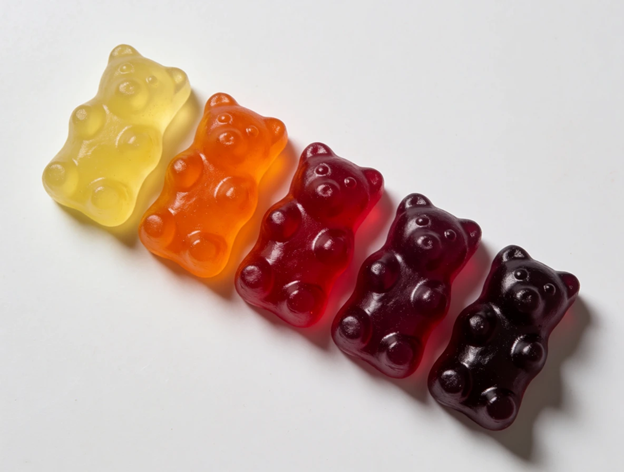
Not all THC CBD gummies are built the same. The ratio of THC to CBD changes the experience dramatically — from barely noticeable to full-on euphoria with guardrails. Knowing which ratio does what lets you pick the right gummy for the right moment King Buddha CBD Gummies. 

Why the Ratio Matters 

THC and CBD interact in your body. CBD modulates how THC binds to cannabinoid receptors, softening intensity and reducing the chance of anxiety. More CBD relative to THC means a gentler experience. More THC relative to CBD means a stronger psychoactive effect with less of a safety net. 

The ratio sets the dial between “functional calm” and “full recreational experience.” 

High CBD, Low THC (10:1 and Above) 

Gummies with a 10:1 or 20:1 CBD-to-THC ratio are the entry point for people who want both cannabinoids without any real high. THC per gummy is usually 1mg to 2.5mg — well below where most people feel psychoactive effects. 

You’ll feel mild relaxation, reduced tension, and a subtle mood boost. Popular for daytime use and situations where impairment isn’t an option. 

Best for: first-timers, daytime stress relief, THC-sensitive users. 

Balanced (1:1) 

Equal parts THC and CBD create a synergistic effect where each cannabinoid enhances the other while keeping things smooth. Users describe 1:1 gummies as “the high without the paranoia” — noticeable euphoria and body relaxation with clarity that pure THC doesn’t always provide. 

A 5mg:5mg gummy is a great starting dose. Higher tolerance might call for 10mg:10mg. 

Best for: social settings, evening relaxation, pain management, users who find pure THC too intense. 

THC-Forward (2:1 to 5:1) 

When THC leads, you’re in recreational territory with a CBD cushion. A 2:1 gummy delivers a pronounced high that’s smoother than a pure THC edible. At 5:1, the high is front and center while CBD works behind the scenes to reduce anxiety and ease the comedown. 

Best for: experienced users, evening recreation, a strong high with a softer landing. 

CBD-Forward (2:1 to 5:1 CBD:THC) 

Let CBD lead and you get a calm, grounded feeling with just enough THC for warmth and depth. A light body buzz and gentle mood lift without the cognitive shift of higher THC ratios. 

Popular among daily CBD users who want a little extra on certain evenings. The THC adds relaxation that CBD alone can’t quite reach while keeping you clear-headed. 

Best for: CBD enthusiasts wanting mild THC, recovery days, winding down without checking out. 

How to Find Your Ratio 

Start with the situation, not the product: 

  • Mild calm without any high? Go 10:1 CBD-dominant. 
  • Balanced relaxation with light euphoria? Try 1:1. 
  • Noticeable high with smoother edges? Reach for 2:1 THC-forward. 
  • Full recreational intensity? Pure THC or 5:1 THC-forward. 

Track what works — note the ratio, dose, timing, and how you felt two hours later. After a few sessions, you’ll have a personal reference guide more useful than any product review. 

Dial It In 

THC CBD gummies give you control that single-cannabinoid products don’t. The ratio is your tuning knob. Learn how each one feels, match it to the moment, and you’ll get a consistent experience every time. 

CBD FOR ANXIETY: A NATURAL PATH TO CALM IN 2026 

In the fast-paced world of 2026, finding effective ways to manage stress and overwhelm has become a priority for many. CBD Genesis has emerged as a leading natural alternative, offering a promising solution for those seeking a sense of calm without the intoxicating effects of traditional cannabis. As scientific research deepens our understanding of how cannabidiol (CBD) interacts with the human body, it is clear that this non-psychoactive compound is more than just a wellness trend—it is a sophisticated tool for emotional regulation. 

How CBD Interacts with the Brain’s “Calm Center” 

The effectiveness of CBD for anxiety lies in its unique relationship with the body’s endocannabinoid system (ECS). This internal network is responsible for maintaining balance, or homeostasis, across various functions, including mood, sleep, and stress response. 

Unlike its cousin THC, CBD does not bind directly to the CB1 receptors that cause a “high.” Instead, 2026 research highlights two primary pathways: 

  1. Serotonin Modulation: CBD is known to interact with the 5-HT1A receptor, a subtype of serotonin receptor. Serotonin is often called the “feel-good” neurotransmitter, and by supporting its signaling, CBD may help improve mood and reduce fear-based responses. 
  1. Anandamide Preservation: CBD helps inhibit the enzyme that breaks down anandamide, often called the “bliss molecule.” By keeping higher levels of this natural chemical in the system, CBD promotes a sustained state of relaxation. 

This dual action makes it particularly effective for addressing the “racing thoughts” often associated with generalized anxiety. 

Choosing the Right Format for Anxiety Relief 

When exploring CBD for anxiety, the method of delivery is just as important as the dose. Different formats offer varying onset times and durations: 

  • CBD Oils and Tinctures: Taken sublingually (under the tongue), these provide relatively fast relief—usually within 15 to 30 minutes. This is often preferred for managing acute situational stress, such as before a public speaking event. 
  • CBD Gummies and Edibles: These offer a convenient and discreet way to maintain a steady level of CBD in the system throughout the day. While they take longer to work (30 to 90 minutes), the effects typically last much longer. 
  • Vape Cartridges: Offering the fastest onset, vaping is sometimes used for immediate relief during high-stress moments, though it lacks the duration of other methods. 

Finding Your Ideal Dose: Start Low, Go Slow 

One of the most common questions regarding CBD for anxiety is how much to take. Because everyone’s body chemistry is unique, there is no “one-size-fits-all” dosage. In 2026, the clinical consensus remains “start low and go slow.” 

Most users find success starting with a dose as low as 10mg to 20mg per day. If no significant relief is felt after a week, the dose can be increased in small 5mg increments. For severe or persistent anxiety, some clinical studies have utilized higher doses, but these should always be approached with caution and ideally under the guidance of a professional. 

Quality and Purity Standards 

Just as you would demand high purity for a research grade peptide, your CBD should be held to strict standards. Always look for: 

  • Third-Party Lab Results: To verify the cannabinoid profile and ensure the product is free from heavy metals or pesticides. 
  • Clear Labeling: Detailing the difference between Full-Spectrum (contains trace THC), Broad-Spectrum (THC-free), and Isolate. 

Safe Integration and Considerations 

While CBD for anxiety is generally well-tolerated, it is not a replacement for professional medical advice. CBD can interact with certain medications—specifically those with a “grapefruit warning”—by affecting how the liver processes them. 

Common side effects are mild but can include dry mouth, slight drowsiness, or changes in appetite. By 2026, the focus has shifted toward “whole-plant” wellness, where CBD is often used alongside mindfulness, proper sleep hygiene, and a balanced diet to create a comprehensive mental health strategy. 

Conclusion 

CBD for anxiety represents a bridge between ancient herbal wisdom and modern pharmacological science. By working with the body’s natural regulatory systems, it offers a gentle yet effective way to turn down the volume on stress. As we move further into 2026, the continued normalization and rigorous testing of CBD ensure that it remains a safe, reliable, and accessible path to mental tranquility for millions of people. 

THCA FLOWER: THE UNVEILING OF A POTENT PRECURSOR 

In the intricate tapestry of cannabis compounds, Buy Bulk THCA flower Options has emerged as a significant player, offering a unique bridge between the world of non-intoxicating hemp and the familiar effects of traditional cannabis. This particular form of flower is cultivated to be rich in Tetrahydrocannabinolic Acid (THCA), the acidic precursor to Delta-9 THC, and has gained considerable attention for its versatile applications and distinct legal standing in many regions. Understanding THCA flower is key to appreciating its role in modern cannabis consumption. 

What Defines THCA Flower? 

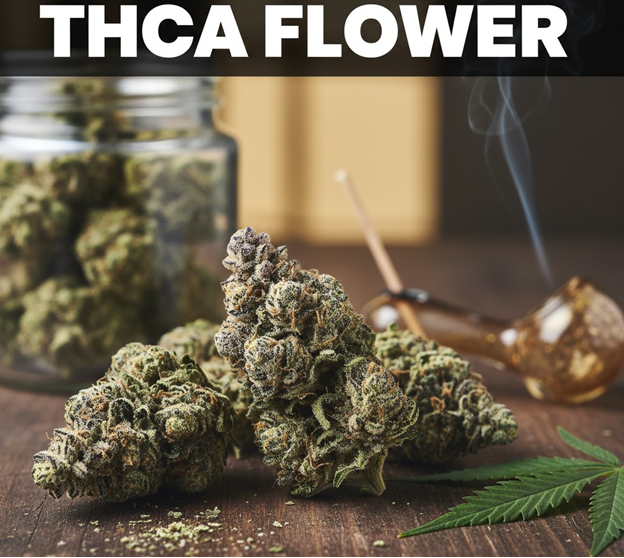
THCA flower refers to the dried and cured buds of the cannabis plant that boast a high concentration of THCA while adhering to specific legal limits for Delta-9 THC. By federal definitions in many areas, “hemp” is characterized by having less than 0.3% Delta-9 THC on a dry weight basis. THCA flower leverages this by containing very little actual Delta-9 THC in its raw, unheated form, even if its THCA content is substantial. 

Visually, aromatically, and structurally, high-THCA flower is often indistinguishable from the high-THC cannabis found in regulated adult-use markets. It presents the same vibrant colors, complex terpene profiles, and rich trichome coverage. The crucial difference lies in its chemical composition before heat is applied. 

The Transformation: From Acid to Activator 

The magic of THCA flower lies in its potential for transformation through a process called decarboxylation. In its raw state, THCA is non-intoxicating, meaning it won’t produce a “high.” This is because the THCA molecule has an extra carboxyl group that prevents it from binding effectively with the CB1 receptors in the brain responsible for psychoactive effects. 

However, when THCA flower is exposed to heat—whether through smoking, vaping, or cooking—this carboxyl group is shed, converting the THCA directly into psychoactive Delta-9 THC. This rapid conversion is what allows THCA flower to deliver effects virtually identical to those of traditional high-THC cannabis, but with a different legal pathway for many consumers. 

Why Choose THCA Flower? 

For many consumers, THCA flower offers a compelling combination of benefits: 

  1. Potency on Demand: It provides a way to access significant Delta-9 THC effects by simply applying heat, allowing users to control their experience. 
  1. Full Spectrum Experience: Like regular cannabis flower, THCA flower contains a rich array of terpenes, minor cannabinoids, and flavonoids. This enables the “Entourage Effect,” where these compounds work synergistically to enhance the overall therapeutic and experiential profile, often leading to a more nuanced and pleasant effect than isolated cannabinoids. 
  1. Aroma and Flavor: High-quality THCA flower boasts robust terpene profiles, offering diverse aromas and flavors ranging from earthy and piney to fruity and sweet, mirroring the variety found in traditional cannabis strains. 
  1. Versatility: It can be smoked, vaporized in a dry herb vaporizer, or used as a base for homemade edibles and tinctures after proper decarboxylation. 

Quality Indicators for THCA Flower 

When selecting THCA flower, it’s vital to prioritize quality and transparency: 

  • Third-Party Lab Testing (COA): This is paramount. Always request and review a Certificate of Analysis (COA) from an independent, accredited lab. The COA should clearly show: 
  • High THCA content: Indicating the potential for potent Delta-9 THC after heating. 
  • Low Delta-9 THC content: Confirming compliance with legal hemp thresholds (typically below 0.3%). 
  • Purity screenings: Ensuring the absence of harmful contaminants like pesticides, heavy metals, mold, and residual solvents. 
  • Visual and Olfactory Appeal: Quality THCA flower should look and smell appealing. Look for vibrant colors (greens, purples), a healthy dusting of trichomes, and a strong, pleasant aroma characteristic of its strain. Avoid flower that appears dull, overly dry, or has an off-putting smell. 
  • Freshness and Cure: Properly cured and stored flower will have an ideal moisture content – not too dry (crumbly) and not too wet (prone to mold). This preserves the terpenes and cannabinoids. 
  • Reputable Sourcing: Choose retailers who are transparent about their cultivation practices and the origin of their hemp. 

Conclusion 

THCA flower stands as a fascinating and potent offering in the modern cannabis market. By understanding its chemical nature, the process of decarboxylation, and the critical importance of third-party lab testing, consumers can confidently explore this versatile form of cannabis. It offers a rich, full-spectrum experience that, once activated by heat, delivers effects highly comparable to traditional THC, all while often operating within distinct legal frameworks. 

HOW TO USE THC DIAMONDS: DABBING AND INFUSING TIPS 

Many people want to know how to use THC diamonds but feel unsure about dabbing or infusing them. THC diamonds are one of the most potent cannabis concentrates you can buy. 

What are THC Diamonds and Liquid Diamonds? 

THC diamonds are a type of cannabis concentrate. They contain THCA, the non-psychoactive compound found in raw cannabis. Through an extraction process, producers isolate and crystallize these compounds, resulting in pure THC crystals that shine like diamonds. 

Best buy link is here:- https://www.blacktiecbd.net/collections/smokables-concentrates-thc-a-concentrates 

Liquid diamonds refer to a combination of these crystals with high-terpene extract (HTE). This mix delivers both potency and flavor. 

Users can enjoy dabbing or infusing THC diamonds for maximum effect. Dabbing provides an intense experience due to the high concentration of cannabinoids, while infusions allow for creative culinary uses. 

Both methods highlight the unique terpenes present in these products, enhancing flavors and effects. 

How to Use THC Diamonds: 

To enjoy THC diamonds, start by choosing your method. You can dab or infuse them into your favorite recipes for a powerful experience. 

Smoking 

THC diamonds offer a potent experience for cannabis users. Smoking them can enhance your enjoyment and elevate effects. 

  1. Start with a high-quality banger or nail that can withstand the heat required for dabbing THC diamonds. Using a reliable device ensures smooth vaporization and optimal flavor. 
  1. Heat the banger or nail to the correct temperature, usually between 400°F to 600°F. This range allows you to experience the full flavor profile without burning off terpenes. 
  1. Use a dab rig for an efficient smoking experience. The rig acts as a filtration system and enhances your hit’s smoothness. 
  1. Apply the THC diamonds directly onto the heated surface using a dab tool. This step releases their potent compounds quickly, allowing you to inhale with ease. 
  1. Cover the banger with a carb cap immediately after placing the diamonds down. This action traps vapor inside, maximizing your intake and improving flavor. 
  1. Take slow, controlled hits to savor the rich taste of THC diamonds and their terpenes. Rapid inhalation may cause coughing or discomfort. 
  1. Experiment with different THC diamond strains to find flavors and effects that suit your preferences best. Variety keeps each session fresh and enjoyable. 
  1. Clean your dab rig regularly to avoid residue buildup which can alter taste or potency over time. 

Smoking THC diamonds opens up new opportunities for cannabis enjoyment while maximizing potency and flavor in every inhale. 

Infusing 

Infusing THC diamonds into your edibles or oils can elevate your cannabis experience. This method allows for a slow release of effects while enjoying the flavors of your favorite ingredients. 

  1. Choose a carrier oil like coconut or olive oil. These oils mix well with THC and provide a rich taste and texture to your infusion. 
  1. Heat the oil gently in a saucepan over low heat. High temperatures can degrade terpenes, reducing potency and flavor. 
  1. Add the THC diamonds to the warmed oil, ensuring they dissolve completely. Stir occasionally for even distribution. 
  1. Use a thermometer to monitor the temperature; keep it around 160-180°F for best results. This temperature range preserves cannabinoids while activating them. 
  1. Strain the mixture through cheesecloth or a fine mesh strainer into a clean jar when ready. This step removes any solid particles and leaves you with a smooth infused oil. 
  1. Store the infused oil in a cool, dark place for future use in recipes or as an ingredient in dabbing setups. 
  1. Experiment with different ratios of diamonds to oil until you find what suits your taste and desired potency best. 
  1. Use this infused oil in baked goods, salad dressings, or even as an added drizzle on cooked meals for an extra kick of THC. 

Tips for Maximizing Your THC Diamond Experience 

Choose high-quality THC diamonds to ensure a potent experience. Adjust your temperature settings carefully for the best flavor and effectiveness. 

Start with quality diamonds 

Quality THC diamonds make a big difference in your dabbing experience. High-quality diamonds contain pure THCA, offering better potency and flavor. These diamonds often retain terpenes, enhancing the overall taste when you smoke or vape. 

Choose reliable sources to buy your diamonds. Reputable sellers provide lab-tested products that ensure purity. Fresh THC diamonds will have a beautiful crystalline appearance, signaling their quality. 

Find the right temperature 

Finding the right temperature is crucial when using THC diamonds. Dabbing at high heat can burn off terpenes, which impacts flavor and potency. Optimal dabbing temperatures typically range from 315°F to 600°F (157°C to 316°C). 

Lower temperatures preserve the unique flavors of terpenes while providing a smooth experience. 

Using a banger or nail allows you to control the heat better. Try heating your banger for around 30 seconds before letting it cool slightly. A carb cap helps regulate airflow and keeps the temperature stable during your dab session. 

Taking these steps enhances your THC diamond experience significantly, making every puff enjoyable. Next, let’s explore tips for maximizing your THC diamond experience further. 

Use a mouthpiece filter 

Using a mouthpiece filter can improve your dabbing experience. This small addition helps trap unwanted particles from concentrates, ensuring you inhale cleaner hits. It enhances the flavor of terpenes while reducing harshness. 

Filters also cool down the vapor, making it smoother on your throat and lungs. With THC diamonds, this means a more enjoyable session without sacrificing potency. Clean filters ensure you taste every nuance in your dabs or infused products. 

Conclusion 

THC diamonds offer a unique experience for cannabis users. Dabbing them provides intense flavors and effects. Infusing products with THC diamonds enhances your consumption. Start with quality diamonds to enjoy the best results. 

Adjust your temperature carefully to maximize potency and flavor. Enjoy exploring different methods of using these exciting concentrates. 

HIGH & HEALED: CANNABIS AND SHADOW WORK 

Many people struggle with hidden pain and seek new ways to heal. Studies show that cannabis can help open the unconscious mind and support healing. This post will explain how using marijuana in shadow work can boost self-discovery, awareness, and inner healing CBD Flower Website. 

Discover how High & Healed: Cannabis and Shadow Work may change your journey today. 

Exploring the Intersection of Cannabis and Shadow Work 

Cannabis can serve as a powerful tool in shadow work. It helps individuals tap into their deeper emotions and thoughts, promoting self-discovery and healing. 

Understanding shadow work and its benefits 

Shadow work involves exploring the hidden parts of ourselves. These aspects often include fears, regrets, and emotions we avoid. Engaging in this process promotes self-discovery and inner healing. 

Individuals can achieve clarity through understanding their motivations and behaviors better. The benefits are profound; many people report feeling lighter and more integrated after facing their shadows. 

Cannabis may serve as a helpful tool during shadow work sessions. It can enhance mindfulness, allowing for deeper reflection on personal experiences. Many find that certain strains help them relax and open up emotionally. 

This openness fosters a space for meaningful insights to emerge during therapy or meditation practices. Integrating cannabis into shadow work may lead to spiritual growth while promoting healing. 

The wound is the place where the Light enters you. – Rumi 

How cannabis can aid in this process 

Understanding how cannabis connects with shadow work offers valuable insights. Cannabis can enhance self-reflection and inner healing. This plant encourages mindfulness, allowing users to explore their emotions without fear. 

It helps quiet the mind, making space for deeper thoughts and feelings. 

Certain strains may open pathways to consciousness expansion. Sativa varieties often boost creativity, while indica strains can promote relaxation. Pairing cannabis with holistic practices like meditation or journaling amplifies its benefits. 

Many people report experiencing synchronicities during these sessions, leading to profound self-discovery and integration of past experiences into their current lives. 

Practical Tips for Combining Cannabis and Shadow Work 

To enhance shadow work with cannabis, focus on selecting the best strain and dosage for your needs. Create a safe space that encourages openness and reflection as you explore your inner self. 

Finding the right strain and dosage 

Choosing the right strain and dosage is crucial for effective shadow work. Cannabis can enhance your inner healing journey when selected carefully. 

  1. Select strains that promote relaxation, creativity, and mindfulness. Indica strains often provide calming effects, making them suitable for introspection. Sativa strains may enhance creativity, helping with self-discovery in shadow work. 
  1. Start with low doses. A small amount allows you to gauge how cannabis affects your mind and body. Monitor your response before increasing the dosage. 
  1. Identify the THC and CBD content in each strain. High-THC strains may induce strong psychoactive effects, while high-CBD options often focus on healing without intense highs. 
  1. Explore different consumption methods like smoking, vaping, or edibles. Each method offers unique experiences and affects onset time and duration of effects. 
  1. Create a journal to track your experiences with various strains and dosages. Document feelings during sessions to understand what works best for your personal growth. 
  1. Consult knowledgeable staff at dispensaries for recommendations tailored to your needs. They can suggest options based on your goals for shadow work. 
  1. Stay mindful of set and setting when using cannabis for introspection. Ensure you are in a comfortable space where you feel safe to explore deeper emotions. 
  1. Combine cannabis use with other practices like meditation or breathwork for enhanced self-reflection capabilities. This integrative approach fosters a more profound connection to your spiritual journey. 
  1. Respect local laws regarding cannabis use in your area; understanding regulations ensures a responsible approach towards healing through this plant. 
  1. Remain open-minded as you experiment with different combinations; flexibility can lead to powerful insights during therapeutic sessions focused on inner healing. 

Creating a safe and intentional space 

Finding the right strain and dosage sets a strong foundation for your practice. Next, create a safe and intentional space to enhance your experience with cannabis and shadow work. Choose a quiet area where you feel comfortable and relaxed. 

Clear the space of distractions, clutter, or anything that might disrupt your focus. Soft lighting can help establish a calming atmosphere. 

Use cushions or blankets to make it cozy. Add items that resonate with you, like crystals or candles. These elements support mindfulness during self-reflection sessions. Make sure the temperature feels just right for you; comfort is key in this process of self-discovery and healing. 

Incorporating other tools and practices 

Exploring shadow work can reveal hidden aspects of yourself. Cannabis can enhance this journey, especially when paired with other helpful methods. 

  1. Meditation serves as a powerful tool for self-reflection. It calms the mind and opens your awareness to your inner thoughts and feelings. This practice deepens your connection to the experience you have while using cannabis. 
  1. Journaling provides an outlet for expressing emotions that arise during shadow work. Writing down your thoughts and insights helps solidify revelations about yourself. This practice encourages further self-discovery as you revisit past entries over time. 
  1. Visualization techniques allow you to create mental images for healing and exploration. Imagining scenarios or symbols related to your shadow aspects aids in understanding them better. Combining visualization with cannabis usage enhances creativity and intuition. 
  1. Breathwork enhances relaxation and focus during the process of shadow work. Controlled breathing techniques foster a greater sense of calm and presence. This practice gives you tools to manage any discomfort that arises as you confront difficult emotions. 
  1. Sound therapy can create a soothing environment for exploration and healing. Listening to calming music or sound frequencies can elevate your experience with cannabis. The vibrations help relax both the mind and body, facilitating deeper introspection. 
  1. Crystals offer additional support in your journey of self-discovery. Each crystal possesses unique properties that can aid emotional healing or clarity during sessions with cannabis. Holding or placing crystals nearby infuses positive energy into your space. 
  1. Seeking guidance from a therapist can enhance the effectiveness of shadow work, especially if it involves complex emotions or trauma-related issues. A trained professional provides valuable insights into personal experiences while using cannabis as part of the process. 
  1. Group sessions may foster community support benefits during your journey within shadow work, especially when exploring spirituality together while using cannabis responsibly; sharing experiences creates connections among participants and encourages growth without judgment. 

Adding these practices to your routine may deepen your connection with self-exploration through cannabis use while tapping into aspects related to spirituality and mysticism associated with personal transformation. 

Conclusion 

Cannabis can enhance your journey into shadow work. It helps open your mind to deep self-discovery and healing. By choosing the right strain and setting, you create a safe space for reflection. 

This combination allows for profound insights. Embrace the process and grow from it. 

USER EXPERIENCES: HOW EFFECTIVE IS CBD BALM FOR PAIN? 

CBD balm is increasingly recognized as a natural alternative for pain relief, leveraging the therapeutic properties of cannabidiol through topical application. 

This guide provides an in-depth examination of how CBD balm functions, its effectiveness supported by research and user testimonials, as well as the potential side effects that may arise. 

Additionally, readers will find guidance on selecting the appropriate product and application techniques to optimize the benefits of CBD balm. 

Whether one is seeking relief from chronic pain or muscle soreness, this guide aims to assist in navigating the landscape of Strongest CBD Tincture effectively. 

What is CBD Balm? 

CBD balm is a topical treatment that leverages the analgesic properties of cannabinoids derived from hemp extract to deliver pain relief, reduce inflammation, and provide soothing effects on the skin. 

This natural remedy is designed for convenient application on targeted areas, making it a favored choice for individuals seeking a non-psychoactive alternative in their wellness regimen. 

Formulated with essential oils and natural ingredients, CBD balms offer therapeutic benefits that address various skin conditions while promoting overall skin health. 

Overview of CBD and Topical Applications 

Cannabidiol (CBD) is a non-psychoactive compound derived from hemp that has garnered considerable attention in the wellness industry for its potential therapeutic properties, particularly in topical applications. When applied to the skin, CBD interacts with cannabinoid receptors, offering localized pain relief and reducing inflammation. This interaction makes it a vital ingredient in numerous natural pain relief products. This overview will examine the various topical applications of CBD and their alignment with the increasing trend toward alternative medicine. 

As consumers increasingly seek natural alternatives to traditional pharmaceuticals, awareness of the diverse spectrum of cannabinoids has also expanded. This interest extends beyond CBD to include other beneficial compounds found in hemp, which may enhance the overall efficacy of topical formulations. 

Many consumers have reported positive outcomes with CBD-infused creams and balms, noting significant improvements in the management of conditions such as arthritis and muscle soreness. 

By understanding user behavior and preferences, businesses can adapt their products to meet these evolving demands, thereby fostering a deeper connection with their audience while promoting the multifaceted benefits of these innovative remedies. 

How CBD Balm Works for Pain Relief 

CBD balm serves as an effective means of pain relief by utilizing the intricate mechanisms of action associated with cannabinoids. These compounds interact with the body’s endocannabinoid system to alleviate discomfort. 

When applied topically, CBD and other active ingredients penetrate the skin layers, directly targeting inflammation and soreness at their source. This results in effective pain management solutions for conditions such as chronic pain, muscle pain, and joint pain. 

This therapeutic approach underscores the potential of alternative therapies in promoting overall health and wellness. 

Mechanisms of Action 

The mechanisms of action of cannabinoids in CBD balm are complex, as they interact with the body’s endocannabinoid system to effectively modulate pain signals and reduce inflammation. By improving skin absorption, CBD and its phytocannabinoids engage with various receptors, resulting in the analgesic properties that many users report during topical application. A comprehensive understanding of these processes is essential for recognizing the efficacy of CBD as a natural pain relief solution. 

These cannabinoids primarily target CB1 and CB2 receptors, which are integral to the management of pain perception and the body’s inflammatory response. When CBD is applied topically, it can facilitate the release of anti-inflammatory compounds, contributing to enhanced skin health and alleviating conditions such as arthritis and dermatitis. 

The therapeutic properties of these compounds are beneficial in soothing localized discomfort, making them particularly valuable for individuals experiencing chronic pain or skin disorders. As research continues to explore the intricacies of cannabinoid interaction, users will gain a deeper understanding of how these natural remedies not only provide relief but also support overall wellness. 

Effectiveness of CBD Balm for Pain 

The efficacy of CBD balm for pain relief has garnered significant attention, particularly regarding chronic conditions that impact quality of life. 

A multitude of studies, coupled with patient testimonials and customer reviews, consistently underscore the therapeutic advantages of this natural remedy for muscle pain, joint pain, and overall inflammation reduction. 

As the wellness industry expands, consumer confidence in CBD formulations as effective pain relief solutions continues to increase. 

Research and Studies 

Research and studies concerning CBD balm have demonstrated its potential in providing pain relief and managing inflammation, thereby establishing a foundation for its therapeutic efficacy across various applications. Clinical studies have examined the impact of CBD formulations on pain perception and user satisfaction, underscoring the necessity for further investigation into its long-term effects and safety profile. 

These investigations have yielded significant findings, indicating that appropriate therapeutic dosages can markedly enhance the effectiveness of CBD balm in alleviating chronic pain conditions. Advances in product formulation technology are facilitating higher bioavailability and deeper skin penetration, thereby amplifying the benefits of CBD balm. Consequently, understanding how to adjust dosages for different levels of pain and types of conditions remains essential. 

The positive outcomes documented in pain relief assessments not only support the use of CBD balm in managing conditions such as arthritis and muscle soreness but also lay the groundwork for future advancements and the development of clearer therapeutic guidelines. 

User Experiences and Testimonials 

User experiences and testimonials indicate that CBD balm is a highly regarded option for individuals seeking effective pain relief for various conditions, including chronic pain and muscle soreness. Customer reviews frequently emphasize the soothing balm’s ability to alleviate symptoms without the psychoactive effects commonly associated with other cannabis products, thereby solidifying its position within the wellness industry. 

The diversity of user feedback is instrumental in assessing the balm’s effectiveness, as individuals from various backgrounds report differing levels of satisfaction. For instance, athletes have commended the product for its efficacy in reducing post-workout soreness, while older adults have experienced relief from joint pain, demonstrating its wide-ranging appeal. 

Many users also value the non-greasy texture and pleasant scent, which enhance the experience of regular application. Testimonials highlight the significance of customer satisfaction, noting a considerable reduction in discomfort that improves overall quality of life. This collective feedback not only fosters trust in the product but also underscores the vital connection between user engagement and the continuous advancement of effective pain management solutions. 

What Are The Best Daily CBD Oil Intake Benefits?

CBD is another word for Cannabidiol. It’s a mixture that originates from the hemp plant, specifically the flowers, stems, leaves, and buds. It’s legal oil that carries only 0.3% of THC (tetrahydrocannabinol). Therefore, CBD oil doesn’t have the psychoactive (high) intoxication contained in THC.

                 Types of CBD oil

The CBD oil helps you to improve your health, so it’s only natural for you to know the different types of CBD oil. There are three types in the market today;

Isolate: just consists of Cannabidiol made by the plants.

Broad-spectrum oil: It is made up of the original cannabinoids from the plants and alternative substances besides THC. It ranks between full-spectrum and Isolate oil.

Full-spectrum: This CBD oil carries all cannabinoids as well as THC. Though the THC in it can’t get you high.

                   Five Daily CBD oil Intake benefits

Addiction reduction: Taking regularly, CBD oil can manage cocaine and opioid addiction. Skilled researchers say that if more experiments are done, CBD might help in handling nicotine and cannabis reliance. However, it does reduce drug-seeking conduct in users of methamphetamine, cocaine, and other drugs alike.

Pain relief for Nerves: Approximately 7% of people undergo neuropathic pain(NP). Experts agree that the benefits include reducing the pain warning sent to the brain from the nerves. This happens when CB1and CB2 are indirectly revived by CBD.

Arthritis pain reduced: As we all know, Arthritis has become very popular among many people. In the United States, it affects almost 58.5 million adults. The most prevalent types are Rheumatoid and osteoarthritis.

A study being conducted identifies the possibilities of good impact on CBD use. Additionally, arthritis patients who use CBD oil frequently report notable pain relief. 

Also, preventive  CBD therapy minimizes the progression of pain and nerve injury in osteoarthritic joints.

 CBD for healthy skin: for centuries, herbal treatments have been used to cure skin diseases. Studies confirm that CBD oil can help in treating numerous skin disorders. Furthermore, human skin has cannabinoid sense organs that control the production of oil in sebaceous glands. That’s why various companies are starting to initiate CBD-based products.

Healthy brain: Having a healthy brain, means living a long healthy life. It also helps you to work to the best of your abilities. A review conducted this year on daily CBD oil intake benefits revealed that it balances verbal memory, brain action, emotional and visual processing.

In conclusion, these benefits are numerous. If you are planning to use any in treating a health condition, speak with your doctor. Let him/her confirm the best type for you. 

How to use marijuana for pain relief

a) Introduction 

CBD means cannabidiol. It is extracted from a plant known as hemp. Mostly CBD is used in addressing anxiety and helping people suffering from the problem of sleeplessness. Research states one may fall asleep and as well stay asleep after taking CBD.  

CBD lowers pain 

CBD may give an alternative to treat dissimilar kinds of persistent suffering. CBD use for pain relief lowers swelling and ache as a result of arthritis. Most chronic illnesses and pains such as neuropathic and provocative pains can be hindered by use of CBD. 

CBD side effects 

When CBD use for pain relief is mishandled and misused it results to side effects which include; having dizziness, diarrhea, anxiety, mood changes, loss of appetite, vomiting, nausea, dry mouth, liver inflammation as a result of increased liver and enzymes and drowsiness.  

Different forms of CBD 

It is made up of various forms, which are: gummies, oral pills or capsules, salves, oil and tinctures, creams, topical patches and balms. Due to tinctures and oils having versatile structures they can be added to nutriments and liquid refreshments. They come with colored glass containers with a dropper thus one can also use their droppers and put one or two drops beneath the tongue and hold it for a while before shallowing. Oral ingestion can be used to administer capsules and gummies. Topical balms and patches are specifically for external usage, you can apply this product to affected regions alone. Doctors prescription on CBD use for pain relief should be strictly followed to avoid negative impact.   

CBD nerve pain relief 

CBD has proved to provide relief for resistant pain to patients with chronic illnesses like cancer. CBD medication has been set aside for administration to such patients to relieve them from pain. Researches and analysis reveal that nerve pain is reduced by use of CBD. This occurs as a result of regulation of speed at which glycine receptors (which are now controlled by CBD) pass information across nerve cells.  

Side Effects of CBD 

Various studies have revealed that CBD always has side effects which varies from an individual to the other. It is stated that it may hinder development of a fetus and infants, thus expectant and breastfeeding mothers should avoid it at all costs. For clear guidance and CBD usage on treatment of health condition, one is advised to seek Doctors prescription to get the right option for your condition and avoid getting in trouble. Patients with liver disorders should take cautions while using CBD. They should avail themselves for regular check-ups and close monitoring of enzymes level in blood liver. CBD can also raise level of some medication in blood and trigger effects, you have to confirm with health officer and know which medication to use and not to use with CBD.  

Conclusion 

CBD can be helpful if well managed and can also cause a lot of damage if poorly used. Use CBD for correct purpose and most probably under doctors prescription. Caution! The substance is highly addictive, thus be wise and smart to avoid addiction.